





2020 Honda CR-V problems owners report most
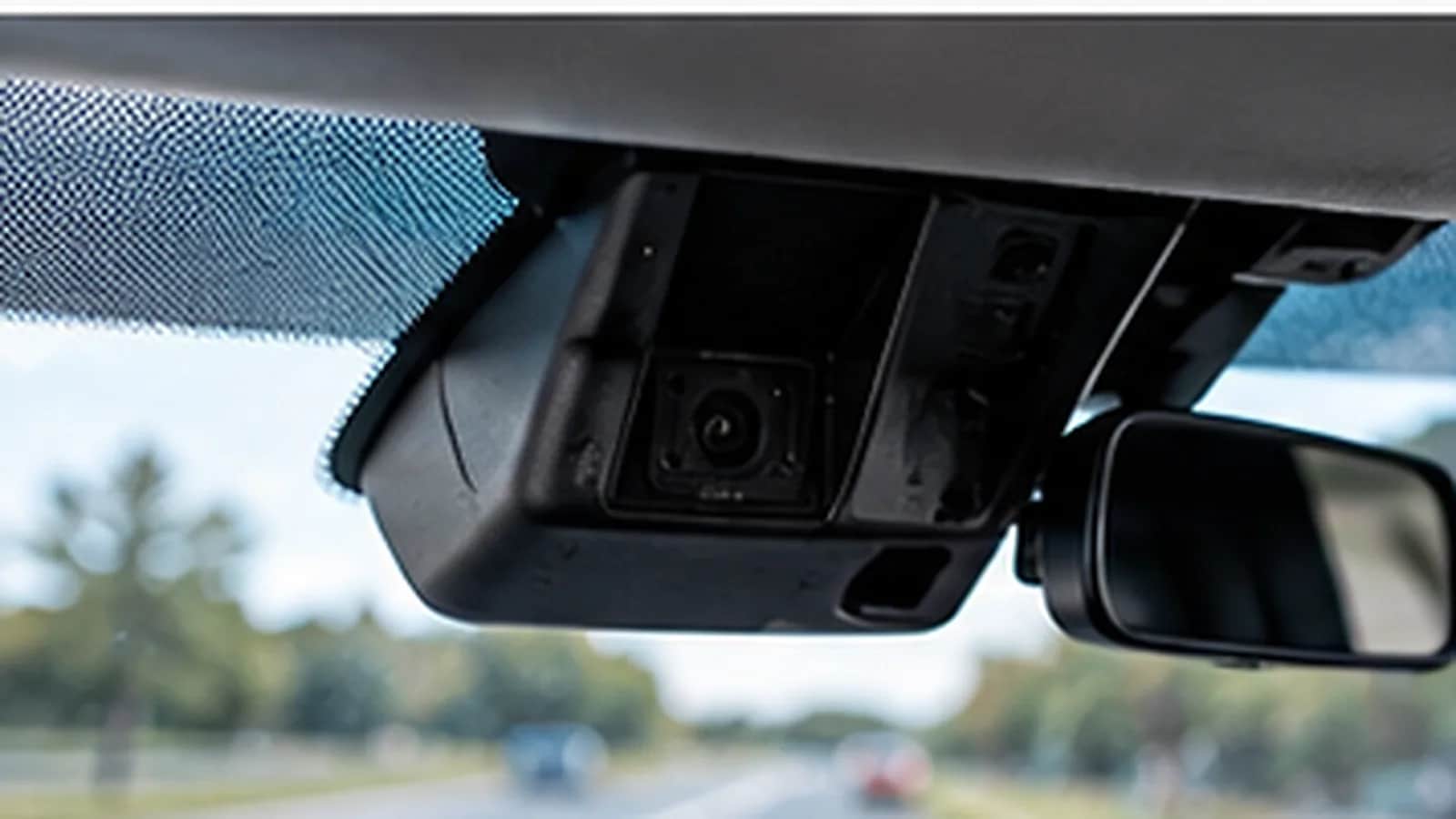
2020 Honda CR-V problems are documented in public: owners have filed 354 complaints with NHTSA, the earliest in 2020 and the most recent in 2026. Sorting those by the component the filer named puts the forward collision avoidance clearly first, at 73 of the 354 complaints, about a fifth of everything filed.
A complaint is not a repair bill and not a defect finding. It is one owner telling the regulator something went wrong. What makes the count useful is the concentration: when one component takes 21 per cent of everything filed on a car, the pattern is doing more than chance.
| Component | Complaints | Share |
|---|---|---|
| FORWARD COLLISION AVOIDANCE | 73 | 21% |
| AIR BAGS | 47 | 13% |
| ELECTRICAL SYSTEM | 43 | 12% |
| STEERING | 42 | 12% |
| ENGINE | 39 | 11% |
| FUEL/PROPULSION SYSTEM | 38 | 11% |
Against the 2019 car, this model year has drawn 68 per cent fewer complaints (354 against 1,103). Both years are led by the forward collision avoidance, so this is a fault that carried over rather than one introduced with the 2020 car.
Of those complaints, 21 describe a crash and 2 describe a fire. Filers reported 17 injuries.
Recalls on the 2020 Honda CR-V
A recall means the manufacturer or the regulator found a safety defect, and the repair is free at a franchised dealer however old the car is. There are 7 recalls on this model year. Your own car may be covered by some, all or none of them, so check the VIN rather than the model.
Honda (American Honda Motor Co.) is recalling certain 2019-2020 CR-V vehicles. The rear subframe bolts were improperly manufactured and may loosen, allowing the rear subframe to separate.
The risk. A separated rear subframe reduces vehicle handling and can suddenly disable the vehicle, increasing the risk of a crash.
The fix. Honda will notify owners, and dealers will inspect the rear subframe bolts and retorque them or replace them, as necessary, free of charge. The recall began January 27, 2020. Owners may contact Honda customer service at 1-888-234-2138. Honda's number for this recall is R6M.
Honda (American Honda Motor Co.) is recalling certain 2020 CR-V vehicles. The clip for the absorber inside the fuel tank was not secured properly and may detach, which can cause an inaccurate fuel gauge reading.
The risk. An inaccurate fuel gauge may result in the vehicle unexpectedly running out of fuel and stalling, increasing the risk of a crash.
The fix. Dealers will replace the fuel tank, free of charge. Owner notification letters were mailed July 5, 2022. Owners may contact Honda customer service at 1-888-234-2138. Honda's number for this recall is RCB.
Honda (American Honda Motor Co.) is recalling certain 2017-2020 CR-V, 2018-2019 Accord and Accord Hybrid, 2018-2020 Odyssey, 2019 Insight, and 2019-2020 Acura RDX vehicles. A manufacturing issue with the front seat belts may cause the seat belt buckle channel to interfere with the release button, preventing the seat belt buckle from latching.
The risk. An unlatched seat belt cannot properly restrain the seat occupant during a crash, increasing their risk of injury.
The fix. Dealers will replace the driver and front passenger seat belt buckle release buttons or the buckle assemblies as necessary, free of charge. Owner notification letters were mailed April 18, 2023. Owners may contact Honda customer service at 1-888-234-2138. Honda's numbers for this recall are NDA, QDB, BDC, MDD, LD9. TDF, FDG, ODH, YDI, ZDE.
Honda (American Honda Motor Co.) is recalling certain 2017, 2020, and 2022 CR-V vehicles. The certification label on the driver's side door states incorrect Gross Vehicle Weight Rating (GVWR), Gross Axle Weight Rating (GAWR), and tire size information. As such, these vehicles fail to comply with the requirements of Federal Motor Vehicle Safety Standard number 110, "Tire Selection and Rims."
The risk. An incorrectly sized tire may cause premature tread wear, or a tire blow out, increasing the risk of a crash.
The fix. Dealers will install a new corrected label, free of charge. Owner notification letters were mailed September 18, 2023. Owners may contact Honda customer service at 1-888-234-2138. Honda's number for this recall is CF7.
Honda (American Honda Motor Co.) is recalling certain 2013-2023 Honda Accord, Civic Coupe, Civic Sedan, Civic Hatchback, Civic Type R, CR-V, HR-V, Ridgeline, Odyssey, Acura ILX, MDX, MDX Hybrid, RDX, RLX, TLX, 2019-2022 Honda Insight, Passport, 2020 Honda CR-V Hybrid, 2018-2019 Honda Clarity PHEV, Fit, and 2015-2020 Honda Accord Hybrid, Pilot, Acura NSX vehicles. The fuel pump inside the fuel tank may fail.
The risk. Fuel pump failure can cause an engine stall while driving, increasing the risk of a crash.
The fix. Dealers will replace the fuel pump module, free of charge. Owner letters were mailed September 6, 2024. Owners may contact Honda customer service at 1-888-234-2138. Honda's numbers for this recall are KGC and KGD. This recall is an expansion of NHTSA recall numbers 21V-215 and 20V-314.
Honda (American Honda Motor Co.) is recalling certain 2020-2022 Pilot, Accord, Civic sedan, HR-V, Odyssey, 2020 Civic coupe, Fit, 2021-2022 Civic hatchback, 2021 Civic Type R, Insight, 2020-2021 CR-V, CR-V Hybrid, Passport, Ridgeline, Accord Hybrid, 2020 Acura MDX, 2022 Acura MDX, 2020-2022 Acura RDX, and 2020-2021 Acura TLX vehicles. The front passenger seat weight sensor may crack and short circuit, failing to suppress the air bag as intended.
The risk. An air bag that deploys unintentionally during a crash can increase the risk of injury.
The fix. Dealers will replace the seat weight sensors, free of charge. Owner notification letters were mailed March 28, 2024. This is a phased recall. Owners may contact Honda customer service at 1-888-234-2138. Honda's numbers for these recalls are XHP and VHQ.
Honda (American Honda Motor Co.) is recalling certain 2018-2021, 2023 Acura TLX, 2019-2024 RDX, 2017-2020, 2022-2026 MDX, 2017-2021, 2023, 2025 Honda Ridgeline, 2017-2022 Pilot, 2019-2021 Passport, 2018-2026 Odyssey, 2019-2022 Insight, 2019-2021 HR-V, 2018-2020 Fit, 2020-2022 CR-V Hybrid, 2017-2022 CR-V, 2017-2018, 2021 Civic Type R, 2017-2021 Civic hatchback, 2016-2020 Civic coupe, 2016-2022 Civic, 2017-2022 Accord Hybrid, and 2016-2022 Accord vehicles. The front passenger seat weight sensor may crack and short circuit, which can cause the air bags to deploy unintentionally during a crash.
The risk. Air bags that deploy unintentionally during a crash increase the risk of injury.
The fix. Dealers will replace the seat weight sensors, free of charge. Owner notification letters were mailed July 7, 2026. Owners may contact Honda's customer service at 1-888-234-2138. Honda's numbers for this recall are BOL, WO9, OOA, WOM, XOH, NOC, POD, BOE, UOF, POB, EOG, AOI, QO8, TOJ, DO7, and SOK. This recall expands previous NHTSA recall number 24V064. Vehicle Identification Numbers (VINs) involved in this recall will be searchable on NHTSA.gov beginning May 29, 2026.
In owners own words
These are complaints filed about the forward collision avoidance, quoted as written. They are one persons account rather than a diagnosis, and they are here because a symptom described by a driver is easier to recognise than a component name.
When driving at high speed on the highway, I have had instances of both FCW and/or AEB activating when there was no vehicle in front of me. This tends to happen without known cause and while I take the same route every day on my commute, the issue does not always occur. When FCW initiates with a large flashing BRAKE warning on the dash and loud beeping while at highway speeds, I am startled and second guess myself that I am not seeing something I am about to impact with. This creates confusion and can lead to making a maneuver or my braking in error which can cause a crash. This issue has occ
On August 15, 2024, around noon, I was stopped at a red light waiting for the light to turn green. When it finally did, I released my foot from the brake pedal and proceeded to accelerate. Not even 2 seconds later, I heard a beeping sound (from collision mitigation system) and my car abruptly stopped. There was no car in front of me and the car behind me was 2 car distances away. My car abruptly stopped on its own with no obstruction in sight in front or behind. I am very concerned to say the least and now feel unsafe driving my car especially since I drive my children around all the time. The
In March/April 2020 I was driving at 65 miles per hour on a rural highway. The only vehicles on the road were my car, the pickup in front of me and the pickup behind me. Since the highway was so quiet, I decided to try Adaptive Cruise Control (ACC). I set it for 65 miles per hour (the speed limit). We had been driving for about 15 minutes, each car maintaining the same speed and distance. The pickup in front of me turned on his turn signal for a right turn and entered the right turn lane. As my car approached the pickup, in the turn lane, the automatic braking system activated. I lung
The orange flashing rectangular "BRAKE" warning light on the dashboard display comes on intermittently and randomly while I am driving when there is NOTHING on the road or in front of the car warning me that the car will be braking itself. This has happened while driving 70 mph on the Interstate as well as on local roads going 30-40 mph and in all of these instances there has been nothing in the way of the car! No vehicles. No objects. Nothing. If I had not seen the warning light display on the dashboard and the automatic braking system would have stopped my car while driving 70 mph I cou
Every component, by complaint count
The full breakdown of what owners named when they filed. Components below the top ten are grouped out of this table.
| Component | Complaints | Share of all complaints |
|---|---|---|
| FORWARD COLLISION AVOIDANCE | 73 | 21% |
| AIR BAGS | 47 | 13% |
| ELECTRICAL SYSTEM | 43 | 12% |
| STEERING | 42 | 12% |
| ENGINE | 39 | 11% |
| FUEL/PROPULSION SYSTEM | 38 | 11% |
| UNKNOWN OR OTHER | 36 | 10% |
| SERVICE BRAKES | 29 | 8% |
| POWER TRAIN | 20 | 6% |
| VEHICLE SPEED CONTROL | 11 | 3% |
What parts cost for the 2020 Honda CR-V
Prices read from one AutoZone store for this exact year, make and model, covering 8 kinds of part and 164 products. AutoZone year, make and model catalog prices. Engine, trim, transmission and VIN fitment are not confirmed. They are what the shelf said on the day, not a quote.
| Part | Listed | Range | Typical |
|---|---|---|---|
| Battery | 7 | $179.99 to $359.99 | $259.99 |
| Brake rotors | 23 | $39.99 to $211.99 | $77.99 |
| Brake pads | 40 | $29.99 to $195.99 | $61.99 |
| Cabin air filter partial | 9 | $19.99 to $47.99 | $29.49 |
| Engine air filter | 15 | $18.99 to $79.99 | $27.49 |
| Wiper blades partial | 48 | $10.99 to $42.99 | $21.99 |
| Spark plugs | 10 | $11.99 to $24.49 | $16.99 |
| Oil filter | 12 | $6.99 to $17.99 | $12.99 |
The cheapest way to keep it serviced
Taking the lowest listed price in each routine maintenance category, the filters, plugs and wipers for this car come to $68.95 in parts. That is parts alone, before labour, tax and the oil itself, and it assumes the cheapest option fits your engine.
Battery. 7 products listed, from the ACDelco Silver Group Size 47 Battery 47S at $179.99 up to the OPTIMA Yellow Top Group Size 47 / H5 Absorbed Glass Mat (AGM) Battery DH5 at $359.99. A refundable core deposit of $22.00 is charged on top and returned with the old part. AutoZone's own labels account for 4 of them, starting at $179.99.
Brake rotors. 23 products listed, from the PowerStop Disc Brake Rotor JBR1721SCR at $39.99 up to the PowerStop Disc Brake Rotor Set JBR1750XPR at $211.99. AutoZone's own labels account for 4 of them, starting at $90.99.
Brake pads. 40 products listed, from the PowerStop Z16 Evolution Ceramic Performance Brake Pads 16-2037 at $29.99 up to the EBC Yellowstuff High Friction Organic Performance Brake Pads DP43085R at $195.99. AutoZone's own labels account for 11 of them, starting at $39.99.
Fitment is by year, make and model only. Engine, trim and transmission were not selected, so confirm the part number against your own car before buying. Prices change and vary by store.
How other model years compare
The same nameplate across the years we hold. Complaint counts fall naturally for newer cars because fewer of them have been on the road for long, so read the column as a rough signal rather than a ranking. In this set the 2018 Honda CR-V has drawn the most complaints and the 2021 Honda CR-V the fewest.
What to check on the driver assistance systems
These reports are mostly about the car braking hard for something that was not there, or the system switching itself off and refusing to come back. Both happen more in rain, low sun and on roads with overhead signs.
Buying a used 2020 CR-V
Check that every assistance system reports as available rather than disabled. A camera or radar that has been turned off in software is easy to miss during a test drive and expensive to put right.
If you already own one
Ask about calibration before replacing any sensor. These systems need recalibrating after a windscreen change, an alignment or any front end work, and an uncalibrated sensor produces exactly the faults described above.
- Confirm every assistance system reports as available, not disabled.
- Ask whether the windscreen has been replaced and the camera recalibrated.
- Check for front end repair history that would need a radar calibration.
- Ask whether a software update addresses the behaviour.
Where the 2020 Honda CR-V problem data comes from
Every figure on this page is counted from complaints and recalls published by the National Highway Traffic Safety Administration, read October 12, 2026. Complaints are filed by owners and are not verified by the agency before publication. We count each complaint once per component it names, so a complaint naming two components appears in both rows.
- NHTSA recalls and complaintsRead October 12, 2026
- NHTSA record for the 2020 Honda CR-VRead October 12, 2026
Something changed since we read this? Tell us